
Morocco Landscape
+212 675576139Marrakech, Morocco
||

Explore Morocco

Destination
Where to?
Duration
How long?
Activity
All Activities

Authentic journeys through ancient medinas, golden deserts, and vibrant culture

Local Experts
100% Secure
Save Time
Best Stays
Discover Morocco

We Craft Unforgettable Journeys

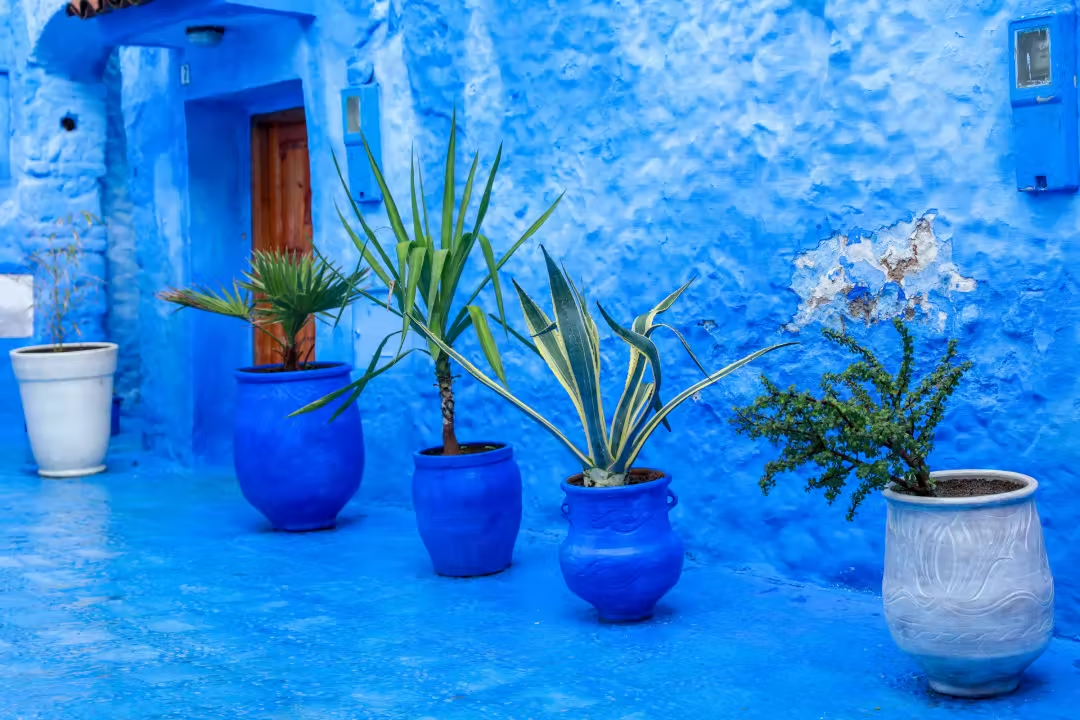
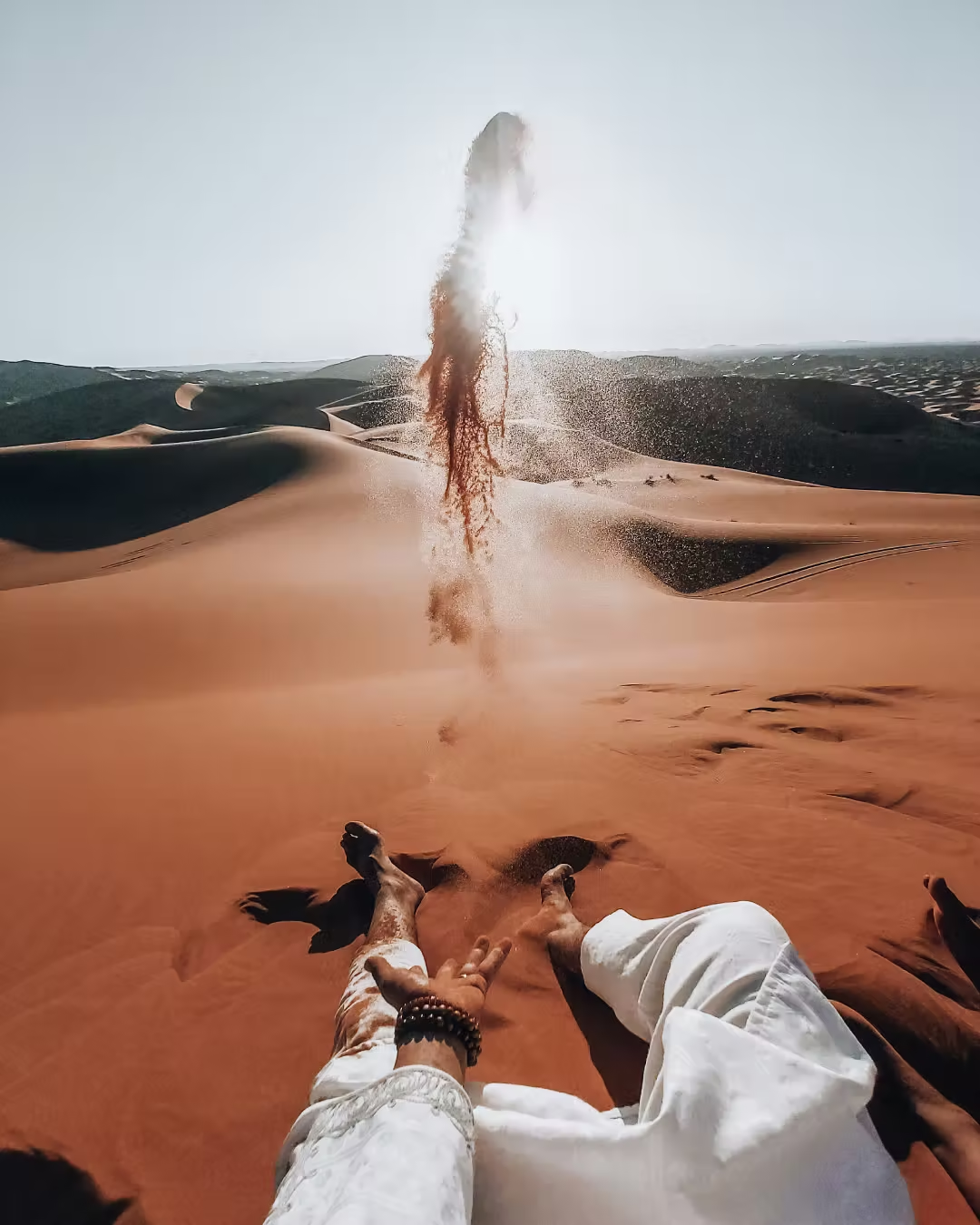
At Morocco Explore, we transform travel dreams into reality. From the golden dunes of the Sahara to the blue-washed streets of Chefchaouen, we curate immersive experiences that connect you with Morocco's rich tapestry of culture, history, and natural beauty.

Our expert local guides reveal hidden gems beyond the tourist trails—whether it's sipping mint tea with Berber families, exploring ancient kasbahs, or riding camels into the sunset. Every journey is thoughtfully designed to create lasting memories.

Handpicked Experiences
24/7 Local Support
Authentic Encounters
Sahara Desert
Sahara Desert
Marrakech Medina
Marrakech Medina
Atlas Mountains
Atlas Mountains
Blue City Chefchaouen
Moroccan Architecture
Explore Morocco

Discover Our Destinations

Journey through imperial cities, mountain villages, and desert landscapes while discovering authentic Amazigh culture

Marrakech Morocco
The Red City

Marrakech

Historical Heritage

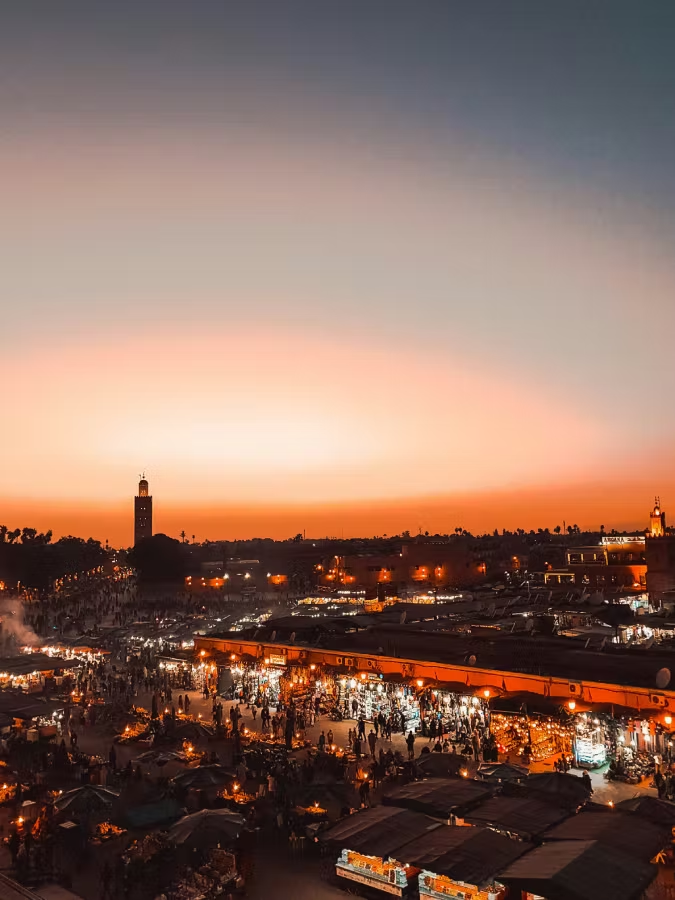
Founded in 1070 by the Almoravid dynasty, Marrakech served as the capital of multiple empires. The iconic red sandstone walls built in the 12th century give it the nickname "The Red City." The medina, a UNESCO World Heritage site, contains the famous Jemaa el-Fnaa square, which has been the city's cultural heart for centuries.

Amazigh Culture

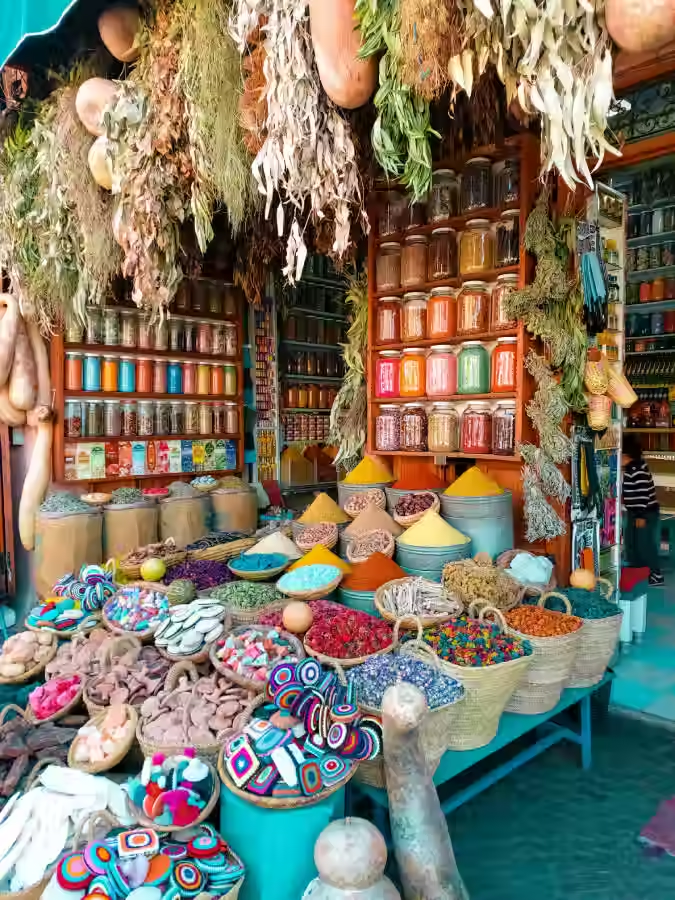
Marrakech sits at the crossroads of Amazigh (Berber) and Arab cultures. The surrounding High Atlas Mountains are home to numerous Amazigh communities who have preserved their distinct language (Tamazight), traditions, and craftsmanship. The city's famous souks feature Amazigh carpets, jewelry, and leather goods, each telling stories of tribal identity and mountain life.

What Travelers Can Do

  • Explore the UNESCO-listed medina
  • Visit Majorelle Garden
  • Tour Bahia Palace
  • Experience traditional hammam
  • Atlas Mountains day trips

Fes Morocco
The Spiritual Heart

Fes

Historical Heritage

Founded in 789 AD by Idris I, Fes is Morocco's oldest imperial city. It is home to Al-Qarawiyyin University, founded in 859 AD, recognized by UNESCO as the world's oldest existing educational institution. Fes el-Bali is the world's largest car-free urban area and a UNESCO World Heritage site with over 9,000 narrow alleyways.

Amazigh Culture

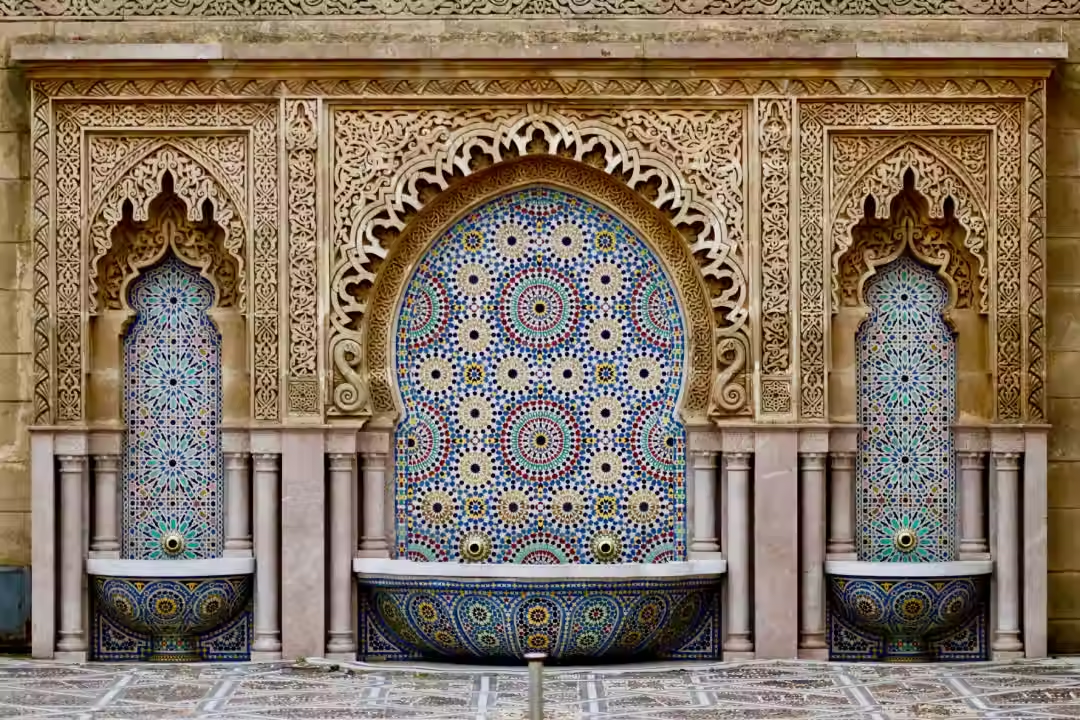
Fes has historically been a center of Amazigh culture and learning. The city's founding by the Idrisid dynasty established deep connections with Amazigh tribes of the Middle Atlas. The traditional crafts of Fes—zellige tilework, metalwork, and wood carving—incorporate Amazigh geometric patterns and symbolism.

What Travelers Can Do

  • Walk the ancient medina
  • Visit Al-Qarawiyyin University
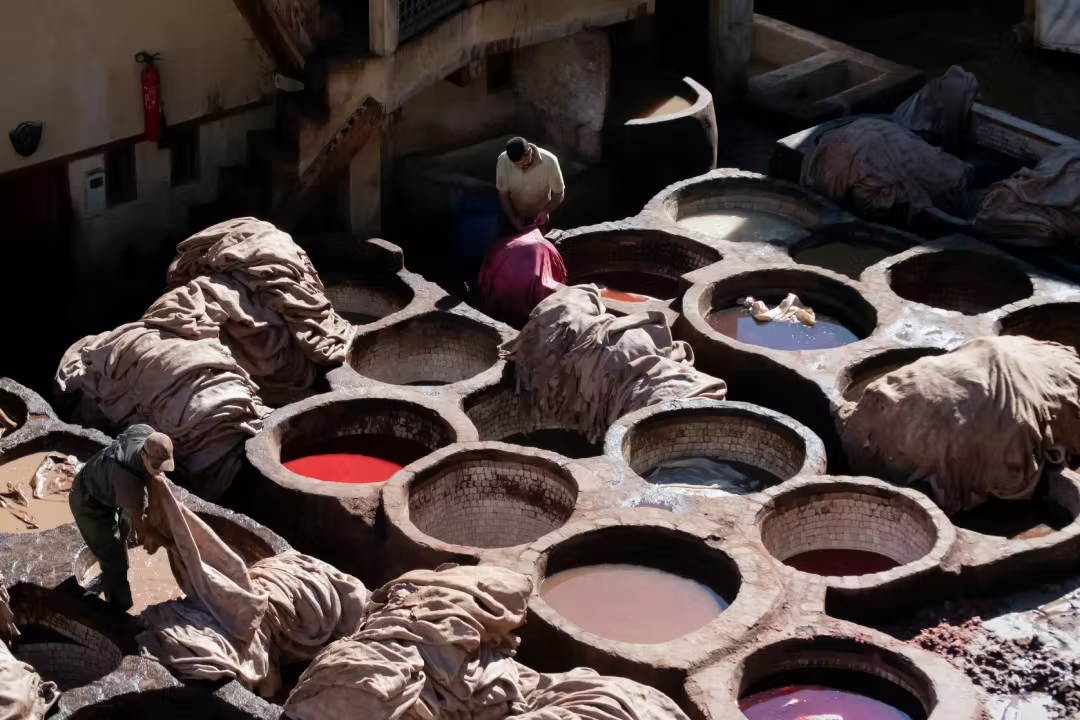
  • See Chouara Tannery
  • Learn zellige tile-making
  • Explore the Jewish Quarter
Tanger Morocco
Gateway Between Continents

Tanger

Historical Heritage

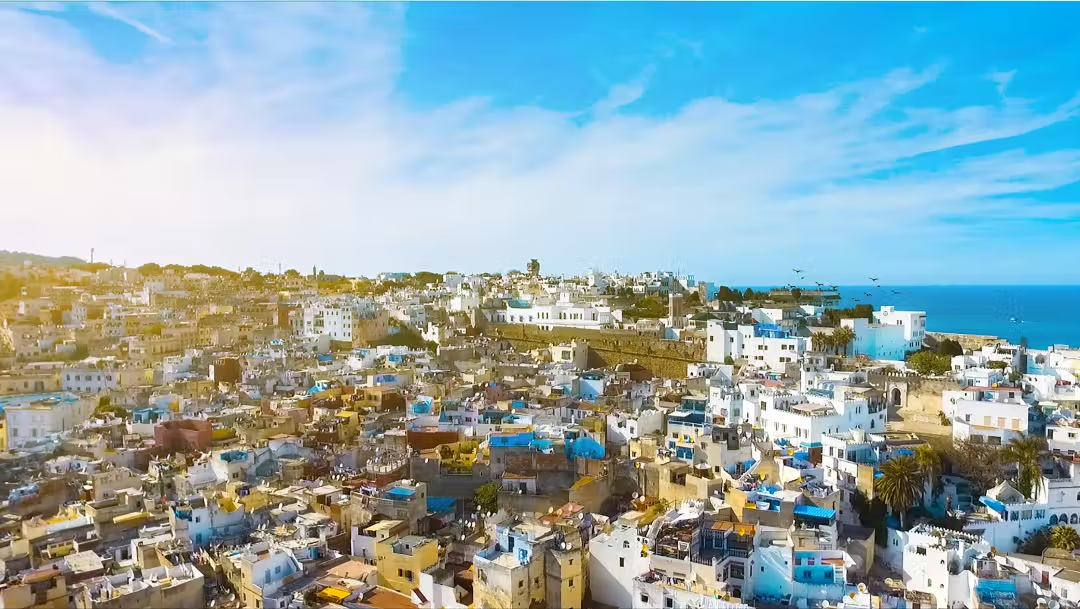
Tangier's strategic location at the entrance to the Mediterranean has made it one of the most coveted cities in history. Founded by the Phoenicians in the 10th century BC, it has been ruled by Romans, Vandals, Byzantines, Arabs, Portuguese, Spanish, and British before becoming an international zone (1923-1956).

Amazigh Culture

The Tangier region is deeply rooted in Amazigh heritage, particularly the Ghomara and Sanhaja tribes. The Rif Mountains surrounding the city maintain strong Amazigh traditions, including the celebration of Yennayer (Amazigh New Year). The nearby village of Jajouka preserves ancient Sufi-Amazigh musical traditions.

What Travelers Can Do

  • Visit Kasbah Museum
  • Explore Caves of Hercules
  • Walk Petit Socco square
  • Relax at Café Hafa
  • Day trip to Chefchaouen
Rabat Morocco
The Capital of Light

Rabat

Historical Heritage

Founded in the 12th century by the Almohad dynasty as a military fortress, Rabat became Morocco's capital in 1912. The city is a UNESCO World Heritage site, recognized for its unique blend of historic and modern urban planning. Key sites include the Hassan Tower and the Kasbah of the Udayas.

Amazigh Culture

Rabat serves as an important center for Amazigh cultural preservation. The city hosts the Royal Institute of Amazigh Culture (IRCAM), established in 2001 to promote Tamazight language and heritage. The Andalusian influence in Rabat's medina reflects the historical migration of Amazigh populations from Spain.

What Travelers Can Do

  • Tour Hassan Tower
  • Explore Kasbah of the Udayas
  • Visit Chellah necropolis
  • Walk the calm medina
  • Visit Mohammed VI Museum
Agadir Morocco
The Pearl of the South

Agadir

Historical Heritage

Agadir was originally a Portuguese fortress built in 1500, but the modern city was reconstructed after a devastating earthquake in 1960. Today, it stands as Morocco's premier beach resort with modern infrastructure and year-round sunshine. The remnants of the old kasbah sit on a hilltop offering panoramic views.

Amazigh Culture

Agadir is the cultural capital of the Souss-Massa region, home to the Shilha (Tashelhit)-speaking Amazigh people. The city hosts the annual Timitar Festival, celebrating Amazigh music. The Amazigh Heritage Museum showcases 2,000+ pieces of traditional jewelry, costumes, and tools.

What Travelers Can Do

  • Relax on 10km beach
  • Visit Amazigh Heritage Museum
  • Explore Kasbah Oufella
  • Day trip to Paradise Valley
  • Experience Timitar Festival
Casablanca Morocco
The White House

Casablanca

Historical Heritage

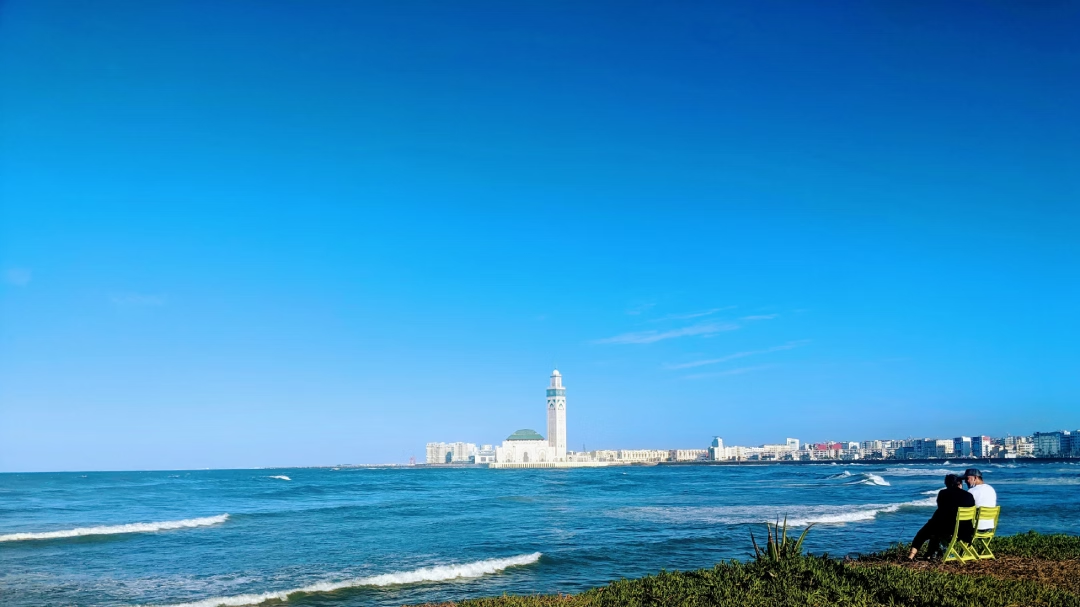
Casablanca transformed from a small Berber settlement into Morocco's economic powerhouse during the French Protectorate (1912-1956). The city boasts the world's third-largest mosque, Hassan II Mosque, completed in 1993, featuring the world's tallest minaret (210m) and a retractable roof.

Amazigh Culture

While Casablanca is a modern metropolis, it serves as a hub for Amazigh migration from the Atlas and Rif regions. The city hosts numerous cultural centers promoting Tamazight language and arts. The Royal Theater often features Amazigh theater productions and music concerts.

What Travelers Can Do

  • Visit Hassan II Mosque
  • Explore Art Deco architecture
  • Walk through Habous Quarter
  • Enjoy the Corniche
  • Experience vibrant nightlife
Chefchaouen Morocco
The Blue Pearl

Chefchaouen

Historical Heritage

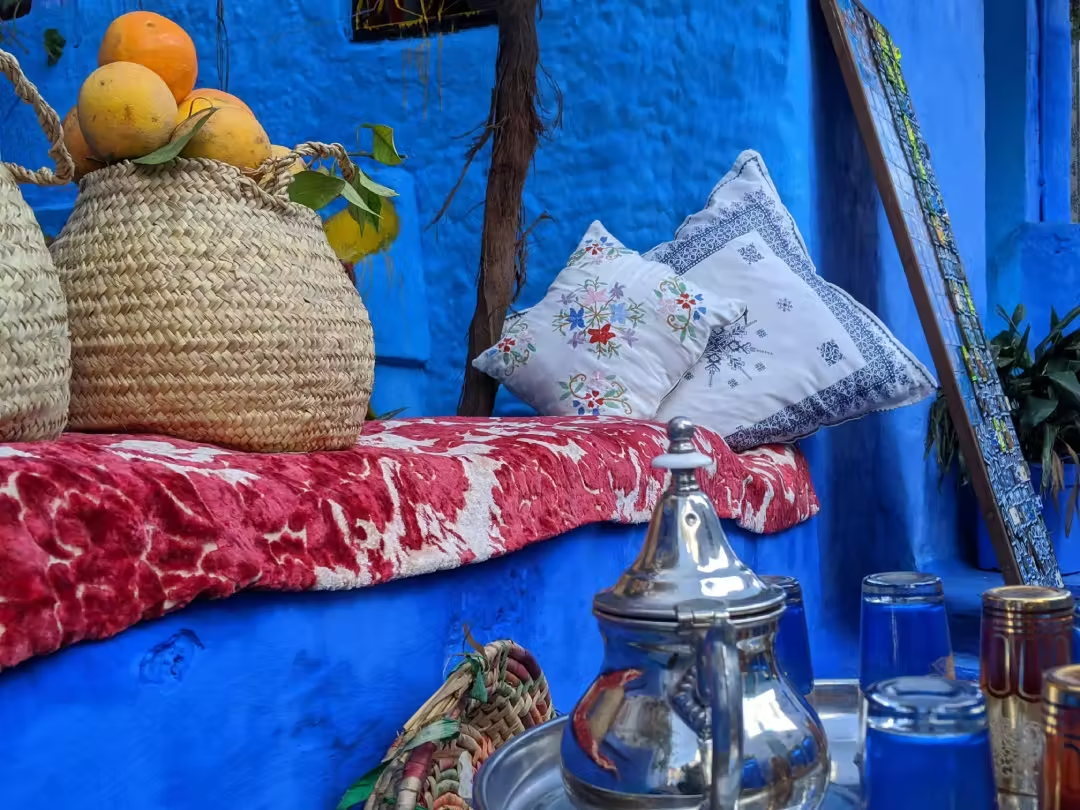
Founded in 1471 by Moulay Ali Ben Rachid as a fortress to defend against Portuguese invasions, Chefchaouen became a refuge for Muslim and Jewish families expelled from Andalusia. The famous blue-washed buildings began in the 1930s, possibly introduced by Jewish refugees, transforming the city into one of the world's most photographed destinations.

Amazigh Culture

Chefchaouen is deeply rooted in the Jebala region's Amazigh culture. The city maintains strong traditions of weaving, particularly the distinctive striped blankets (handira) and wool garments. The surrounding mountains are home to cannabis cultivation (kif), a traditional agricultural practice.

What Travelers Can Do

  • Wander blue-washed medina
  • Hike to Spanish Mosque
  • Shop for woven blankets
  • Visit Kasbah Museum
  • Trek in Talassemtane Park
Essaouira Morocco
The Wind City

Essaouira

Historical Heritage

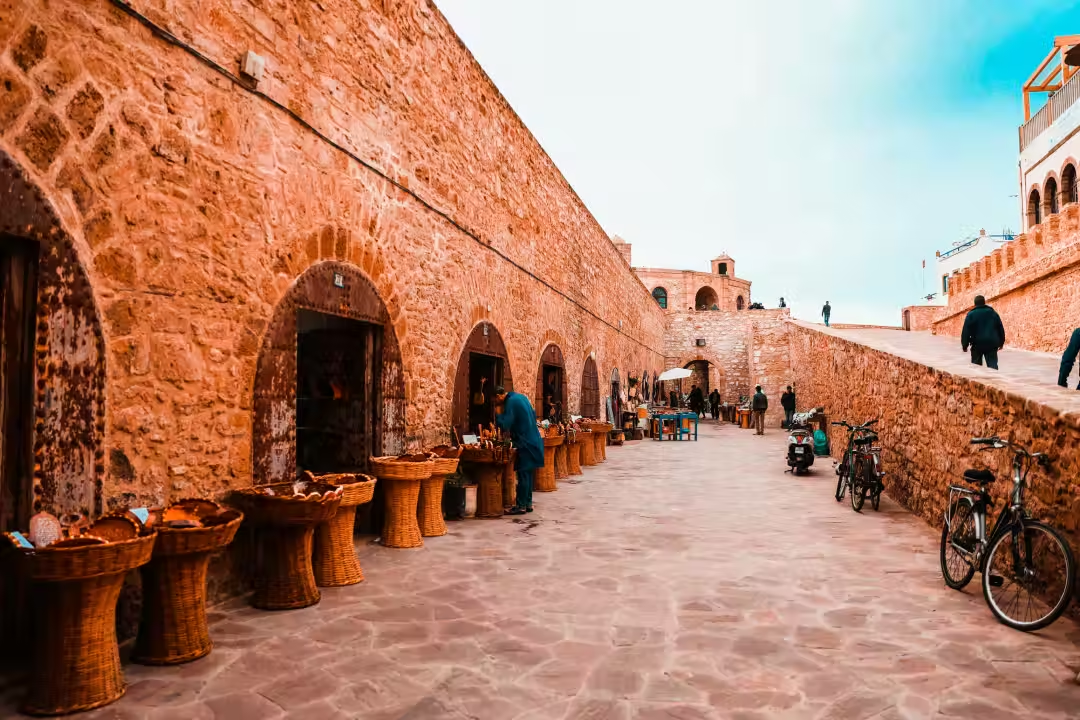
Originally known as Mogador, Essaouira was a Phoenician trading post as early as the 7th century BC. The modern fortified city was built in the 18th century by Sultan Sidi Mohammed Ben Abdallah, designed by European architects. The city became an important Jewish trading center before declining in the 20th century.

Amazigh Culture

Essaouira is the spiritual home of Gnawa music, a genre born from the fusion of sub-Saharan African, Amazigh, and Arab influences. The city hosts the annual Gnawa and World Music Festival. The surrounding countryside maintains strong Amazigh (Chiadma tribe) traditions, particularly in argan oil production.

What Travelers Can Do

  • Walk the 18th-century ramparts
  • Attend Gnawa Music Festival
  • Relax on windy beach
  • Visit fishing port
  • Explore Argan cooperatives
Merzouga Morocco
Gateway to the Sahara

Merzouga

Historical Heritage

Merzouga is a small village on the edge of the Erg Chebbi dunes, the largest sand sea in Morocco, stretching 50km north to south. The area was once a seasonal lake that attracted traders and nomads. Today, it represents the quintessential Sahara experience with dunes reaching heights of 150 meters.

Amazigh Culture

Merzouga is the heartland of the Ait Atta Amazigh nomads and Tuareg-influenced cultures of the Sahara. The region maintains strong traditions of desert hospitality. Traditional music features the imzad (single-string violin) and poetic recitations in Tamazight. The annual Date Festival celebrates with Amazigh music and camel races.

What Travelers Can Do

  • Camel trek into dunes
  • Overnight in desert camp
  • Sandboarding
  • Visit seasonal lake
  • Explore Rissani souk
Ouarzazate Morocco
The Door of the Desert

Ouarzazate

Historical Heritage

Known as the "Door of the Desert," Ouarzazate was a small crossing point for African traders before becoming a French garrison town in the 1920s. The city gained international fame as a filming location for movies including "Lawrence of Arabia," "Gladiator," and "Game of Thrones." The Atlas Studios are the world's largest film studios by area.

Amazigh Culture

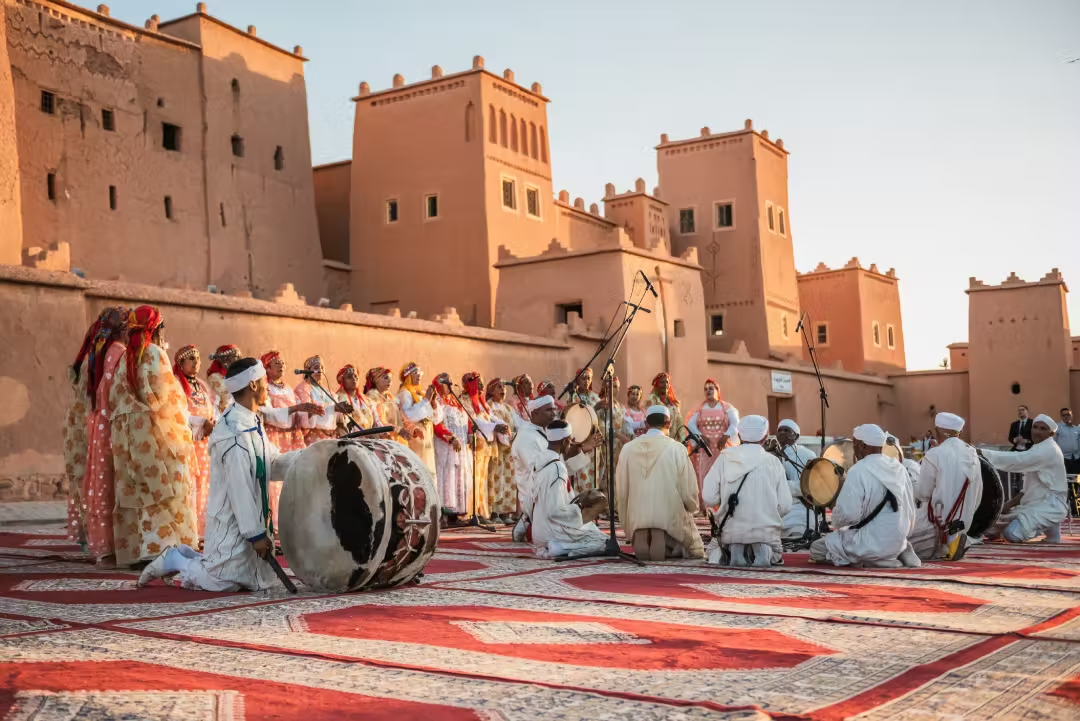
Ouarzazate is the administrative and cultural center of the Souss-Massa-Draa region, home to numerous Amazigh tribes including the Ait Benhaddou. The area is famous for its distinctive kasbah architecture, built from adobe and decorated with Amazigh geometric patterns. The city hosts the International Film Festival, showcasing Amazigh cinema.

What Travelers Can Do

  • Tour Atlas Film Studios
  • Visit Ait Benhaddou kasbah
  • Explore Fint Oasis
  • Tour Taourirt Kasbah
  • Drive Road of a Thousand Kasbahs
50,000+Happy Travelers
15+Years Experience
4.9TripAdvisor Rating
200+5-Star Reviews
TripAdvisor Traveler's Choice 2024

Happy Travelers Share Their Stories

Real experiences from our community discovering Amazigh heritage and Moroccan culture

Sarah & James Morrison

Sarah & James Morrison

London, UK
5.0
Verified Traveler

Life-Changing Amazigh Hospitality in the Sahara

Our 3-day Merzouga tour was absolutely magical. Sleeping in a luxury desert camp under the stars, listening to the imzad (Amazigh violin) by the fire, and sharing mint tea with our nomadic hosts gave us a profound appreciation for Amazigh culture. Our guide Ahmed taught us Tamazight phrases and explained the significance of every carpet pattern. The camel trek at sunrise over the golden dunes of Erg Chebbi was surreal. This wasn't just a tour—it was a cultural immersion that changed our perspective on Morocco.

Luxury desert campImzad music performanceTamazight language lessonsCamel trekking
Merzouga Desert ExperienceOctober 2024
Sarah & James Morrison

Life-Changing Amazigh Hospitality in the Sahara

Desert & Amazigh Culture
Marcus Chen
Marcus Chen

Authentic Berber Life in the High Atlas

Atlas Mountains & Berber Villages
Elena Rodriguez
Elena Rodriguez

Discovering Hidden Morocco in Fes

Fes & Cultural Immersion
The Johnson Family
The Johnson Family

Blue City Magic and Mountain Traditions

Chefchaouen & Rif Mountains
Pierre & Marie Dubois

Timitar Festival and Amazigh Heritage

Agadir & Souss Valley
Jennifer Walsh
Jennifer Walsh

From Red City to Wind City: A Cultural Journey

Marrakech & Essaouira

Join 50,000+ happy travelers who discovered authentic Morocco with us

FAQ

Common Questions

Everything you need to know about traveling to Morocco with us

Spring (March to May) and Autumn (September to November) offer ideal temperatures for exploring Morocco. During these months, you can enjoy pleasant weather ranging from 20-28°C (68-82°F), perfect for desert excursions, mountain trekking, and city exploration. Summer (June to August) can be extremely hot in the desert and inland cities, with temperatures reaching 40°C (104°F), while winter (December to February) brings snow to the Atlas Mountains but mild weather along the coast. For Amazigh cultural experiences, consider visiting during Yennayer (Amazigh New Year) in January or the Timitar Festival in Agadir during summer.

Citizens from the US, Canada, UK, EU, Australia, and many other countries can enter Morocco visa-free for up to 90 days. Your passport must be valid for at least six months beyond your travel dates. Upon arrival, you'll receive an entry stamp. If you wish to stay longer than 90 days, you must request an extension from the Moroccan immigration authorities. We recommend carrying a printed copy of your accommodation bookings and return flight tickets for smooth entry.

Morocco is generally very safe for tourists and has a well-developed tourism infrastructure. The country welcomes over 13 million visitors annually. As with any destination, we recommend normal precautions in crowded areas like medinas. Our local guides are trained to help you navigate safely, avoid common tourist scams, and respect local customs. Women travelers should dress modestly (covering shoulders and knees), especially in rural areas. The Amazigh (Berber) communities in the Atlas Mountains and desert are particularly known for their hospitality and welcoming nature toward guests.

Pack modest clothing respecting local culture—covering shoulders and knees is recommended, especially for women. Essential items include: comfortable walking shoes for medinas (closed-toe recommended), sunscreen and a wide-brimmed hat, layers for temperature variations (desert nights can be cool even in summer), a light scarf for sun protection and visiting religious sites, and a reusable water bottle. For Amazigh cultural experiences in the mountains, bring sturdy hiking boots. If visiting during Ramadan, bring conservative clothing. Don't forget a universal adapter (Morocco uses European-style plugs) and any prescription medications.

Absolutely! We specialize in tailor-made itineraries that match your interests, pace, and travel style. Whether you're interested in photography, culinary experiences, family adventures, or deep cultural immersion with Amazigh communities, we design journeys specifically for you. Our private tours include: personalized pickup from any location, flexible scheduling, private vehicles with experienced drivers, expert local guides with specialized knowledge (Amazigh culture, history, architecture, etc.), accommodation selection based on your preferences (riads, luxury hotels, desert camps), and 24/7 support throughout your journey. Contact us to start planning your perfect Morocco itinerary.

The Amazigh (Berbers) are the indigenous people of North Africa, inhabiting Morocco for thousands of years before Arab arrival. They represent approximately 40% of Morocco's population and have preserved their distinct Tamazight languages, traditions, and identity. Amazigh culture is integral to Moroccan identity—visible in the geometric patterns of zellige tiles, the designs of handwoven carpets, the rhythms of Gnawa music, and the architecture of kasbahs. Our tours emphasize authentic Amazigh experiences: sharing meals with families in the Atlas Mountains, learning about traditional agdal land management, listening to imzad violin performances in the desert, and visiting women's argan cooperatives. Understanding Amazigh heritage provides a deeper, more meaningful connection to Morocco.

Booking with Morocco Explore is simple and secure. You can browse our destinations and activities using the search tool above, then contact us via email, WhatsApp, or our booking form. We recommend booking at least 2-3 months in advance for peak seasons (April-May, September-October) and festival periods. A 30% deposit secures your reservation, with the balance due 30 days before arrival. We accept bank transfers, credit cards, and PayPal. Once booked, you'll receive a detailed itinerary, packing list, and pre-departure information. Our team remains available for any questions before and during your trip.

Our guides are fluent in English, French, and Arabic, with many also speaking Tamazight (Berber languages) native to their regions. For specialized tours, we can provide guides speaking Spanish, German, Italian, or other languages upon request. All our guides are certified by the Moroccan Ministry of Tourism and undergo continuous training in hospitality, safety, and cultural interpretation. Many of our mountain and desert guides come from Amazigh communities and offer authentic insights into local traditions, folklore, and customs that you won't find in guidebooks.