
The Rhythm of the Night: A 2026 Guide to Moroccan Celebrations
To witness a Moroccan celebration is to see the country's heart wide open. At Maroc Explore, we believe that life's major milestones deserve to be celebrated with an intensity that matches the joy of the occasion. Whether it's a multi-day wedding or a traditional "Sbou" (naming ceremony), these events are the pinnacle of Moroccan social life. In 2026, as travelers seek deeper emotional connections with their destinations, gaining access to a genuine local celebration has become the ultimate "insider" experience. This guide explores the sights, sounds, and flavors of these legendary gatherings, ensuring you know what to expect as an honored guest.
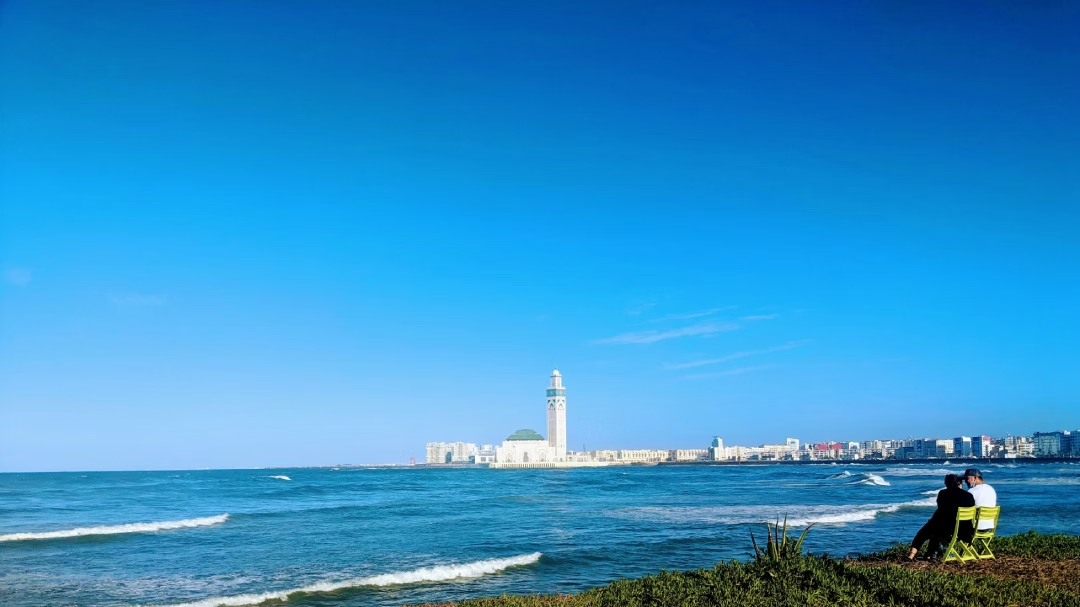 Immersing in the rhythmic joy and cultural rites of a real Moroccan celebration in Casablanca.
The Ambiance of Abundance: Entering the Celebration
Walking into a Moroccan celebration hall is a sensory explosion. The walls are often draped in rich satins, the air is thick with the scent of high-grade "Oud" (aloeswood) incense, and the lighting is a warm, golden amber. Maroc Explore's guests are often struck by the sheer scale of the hospitality. You aren't just greeted; you are welcomed into a sea of "Baraka" (blessing). The initial offering of cold almond milk and stuffed dates is a symbolic gesture of purity and welcome that dates back centuries. In 2026, even in modern Casablanca, these traditions remain unchanged, providing a comforting continuity in a rapidly evolving world.
The Fashion of the Fête: Kaftans and Djellabas
Moroccan celebratory fashion is among the most sophisticated in the world. The Kaftan—a hand-embroidered silk or velvet robe—is a masterpiece of "Haute Couture" that takes months to create. On our celebration tours, we arrange for our guests to rent or purchase premium attire so they can participate fully. Seeing hundreds of women in vibrant, jewel-toned Kaftans, each unique and heavily adorned with "Sfifa" (silk braid), is a visual spectacle unlike any other. For men, the "Djellaba" with a "Fez" or "Tarboosh" hat offers a regal, dignified silhouette. Wearing the traditional dress is not just about looking good; it's a profound sign of respect for your hosts and the occasion.
The Soundtrack of Joy: Chaabi, Gnawa, and Dekka Marrakshia
A Moroccan party is a marathon of music. It doesn't just play in the background; it dictates the energy of the room. The evening usually begins with soulful Andalusian music or tranquil Gnawa chants, but as the night progresses, the "Chaabi" (popular) bands take over. The rhythmic intensity of the "Darbuka" (drum) and the "Kamanja" (violin) is hypnotic. You'll witness the "Dekka Marrakshia"—a group of men creating complex polyrhythms with traditional percussion and chants. Maroc Explore guides help you understand the different musical genres and, most importantly, show you the basic dance steps so you can join the circle on the dance floor!
The Culinary Marathon: A Multi-Course Feast
Pace yourself. A Moroccan wedding feast is arguably the most lavish meal you will ever eat. It usually begins well after midnight. Course after course of colossal communal platters appear: "Pastilla" (the sweet and savory pigeon or chicken pie), massive "Tagine n'Berkok" (lamb with prunes and toasted almonds), and mountains of saffron-scented couscous. Maroc Explore emphasizes the communal nature of the meal. Eating from the same plate emphasizes unity and shared joy. Our guides interpret the complex flavors and explain the etiquette—using your bread to scoop the most tender pieces of meat from the center of the dish.
The Amaria: The Royal Procession
The emotional peak of the evening is the "Amaria." The bride (and often the groom) is hoisted onto a magnificent ceremonial carriage by a group of strong men in traditional attire. As they are paraded around the room to the sound of deafening "Zaghrouta" (high-pitched ululations made by the women), the energy reaches its zenith. It is a moment of pure, unadulterated royalty. In 2026, this ritual remains the ultimate symbol of the couple's transition into their new life. Watching the crowd erupt in joy, throwing rose petals and chanting blessings, is an experience that stays with you long after the final notes of the band fade away.
The Sbou: Celebrating the New Arrival
While weddings are the most famous, the "Sbou" (naming ceremony) is perhaps more intimate. Held seven days after a birth, it's a celebration of the continuation of the family line. The highlight is the traditional "Aqiqa" sacrifice followed by a great feast. Maroc Explore guests invited to a Sbou often find it more relaxed, with more time to engage in conversation with the family members. It's a beautiful way to understand the importance of family and community in Moroccan culture—a value that remains the bedrock of society in 2026.
2026 Guest Etiquette and Practicalities
- Timing: These events start late and end even later. Don't be surprised if the "main course" is served at 2:00 AM. Plan for a long, rewarding night.
- Gift Giving: While not mandatory for our guests, a small, thoughtful gift for the hosts (like high-quality sweets or a small decorative item) is always appreciated.
- Photography: While most celebrations are very photogenic, always be mindful of the "privacy" of the women's spaces. Ask your guide for the best moments to take photos.
- Hydration: Stay hydrated throughout the night. Most celebrations are alcohol-free, serving a constant stream of fresh juices, sodas, and, of course, mint tea.
The Enduring Power of the Party
In a world of digital connections, the visceral, physical joy of a Moroccan celebration is a powerful reminder of what it means to be human. Maroc Explore is proud to be your gateway to these exclusive life events. Join us in 2026 to celebrate, dance, and feast in the heart of Morocco.