
The Heart of the Home: A 2026 Guide to Moroccan Home Cooking
If you want to understand the soul of Morocco, you must start in the kitchen. For Maroc Explore, culinary tourism is not about visiting fancy restaurants; it's about entering the warmth of a family home and learning the tactile secrets of generational recipes. In 2026, "farm-to-table" and "ancestral cooking" are at the forefront of global food trends, and Morocco has been practicing these for centuries. This guide focuses on the most beloved staples of the Moroccan breakfast and tea table: the flaky, layered Msemen and the crisp, savory Briwates.
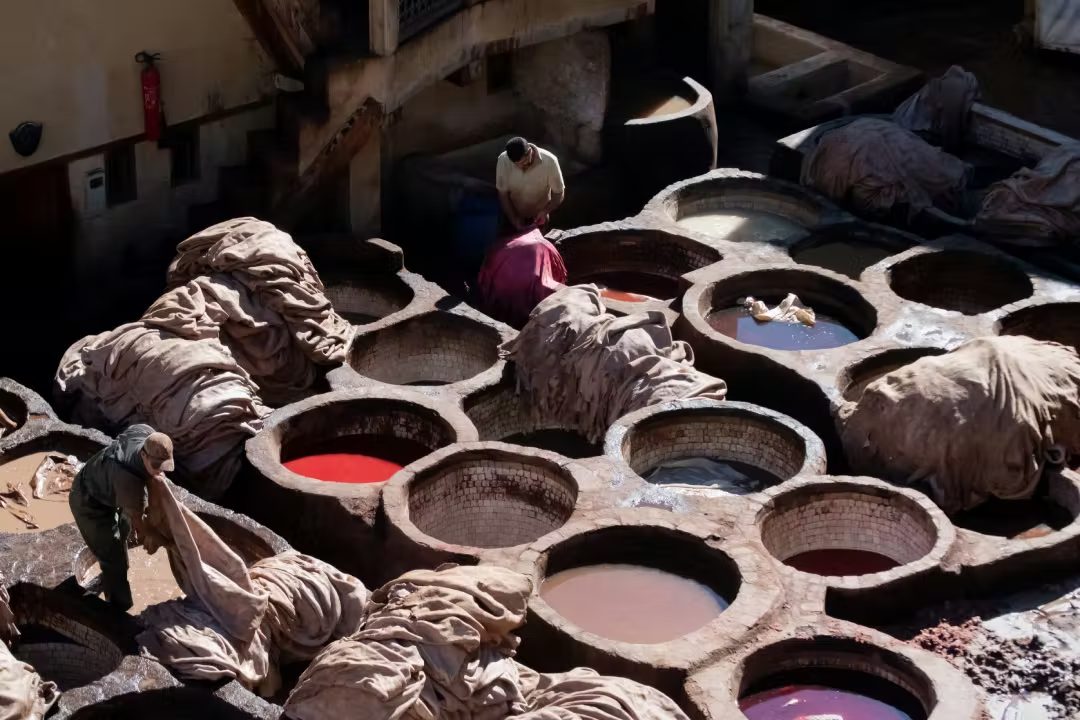 Learning the secret folding techniques of Moroccan pastries with a local host family in Fes.
The Philosophy of the Moroccan Feast
In Morocco, food is never just sustenance; it is a sacred act of hospitality. A guest in a Moroccan home is a "guest of God," and the table reflects this abundance. On a Maroc Explore cooking experience, we don't just provide ingredients; we introduce you to the philosophy. You'll learn that the most important ingredient is patience. Whether it's the long resting period for dough or the slow-simmering of a tagine, time is what creates depth of flavor. In 2026, our guests often arrive from fast-paced lives, and the deliberate, rhythmic nature of kneading dough becomes a form of "kitchen therapy" that helps them ground themselves in the present moment.
Msemen: The Layered Architecture of Bread
Msemen is often described as a Moroccan crepe or flatbread, but it is far more complex. The secret lies in the folding. Made from a simple mix of flour, semolina, and water, the magic happens during the "lamination" process. Our host families in Fes and Marrakech will show you how to stretch the dough until it is transparently thin, then fold it with butter and a sprinkle of semolina to create dozens of microscopic layers. When fried on a heavy "Ghra" (griddle), these layers puff up, creating a bread that is crisp on the outside and wonderfully chewy on the inside. It's an art that requires a light touch and a steady hand—a skill usually passed from mother to daughter over countless mornings.
Briwates: The Geometry of Spice
While Msemen is the star of breakfast, Briwates are the crown jewels of the afternoon tea. These small, triangular pastries are made with "Warka" (a paper-thin pastry dough similar to phyllo but more elastic). The fillings can be sweet—almond paste scented with orange blossom—or savory—minced meat, seafood, or spiced vegetables. We teach our guests the precise geometric folding technique required to seal the pastry into a perfect triangle, ensuring it doesn't leak or break when fried to a golden crunch. The balance of spices—the sweet heat of cinnamon, the earthiness of cumin, and the freshness of cilantro—is a masterclass in the Moroccan flavor profile that you'll take home with you.
Market to Table: The Ritual of the "Souq"
Before the cooking begins, the shopping must happen. A Maroc Explore cooking class often starts with a trip to the local neighborhood market. This is where you learn to choose the freshest herbs, the most vibrant spices, and the perfect seasonal vegetables. In 2026, understanding where your food comes from is more important than ever. We'll show you how to identify the "Atay" (tea) quality mint and the precise variety of olives that will complement your dish. This connection to the source of the ingredients makes the final meal much more satisfying, as you've seen the faces of the people who grew and sold them.
The Shared Table: A Banquet of Connection
The culmination of every Maroc Explore cooking class is, of course, the eating. But in a Moroccan home, this is a communal event. We sit around a shared platter, eating with our hands (using the right hand and a piece of bread as a spoon) and engaging in deep conversation. This is where the true cultural exchange happens. Our hosts share stories of their childhoods, their favorite family secrets, and their hopes for the future. In 2026, these moments of genuine human connection across a shared meal are the most valuable part of travel. You'll leave the table not just with a full stomach, but with a deeper understanding of the Moroccan way of life.
Practical Kitchen Tips for 2026
- The Oil Secret: When working with Msemen dough, use more oil than you think on your hands. It prevents the dough from sticking and allows for that super-thin stretching.
- Spice Storage: If you buy spices in the souk, keep them in airtight containers at home or they will lose their potency within weeks.
- Mint Tea Etiquette: Never pour the tea from a height into your glass if it hasn't "rested" in the pot. The foam (Reghwa) on top is a sign of a well-made tea.
- Folding Briwates: Use a tiny amount of flour-and-water "glue" to seal the final flap of the triangle. It's the difference between a perfect pastry and an oil-soaked one.
The Culinary Journey Continues
When you return to your own kitchen and smell the orange blossom or the toasted cumin, you'll be transported back to that warm Moroccan home. Maroc Explore is proud to provide the recipes, the techniques, and the connections that make these memories possible. Join us in 2026 to master the art of the Moroccan kitchen and bring a piece of "Baraka" into your own home.